Why we built Olatti
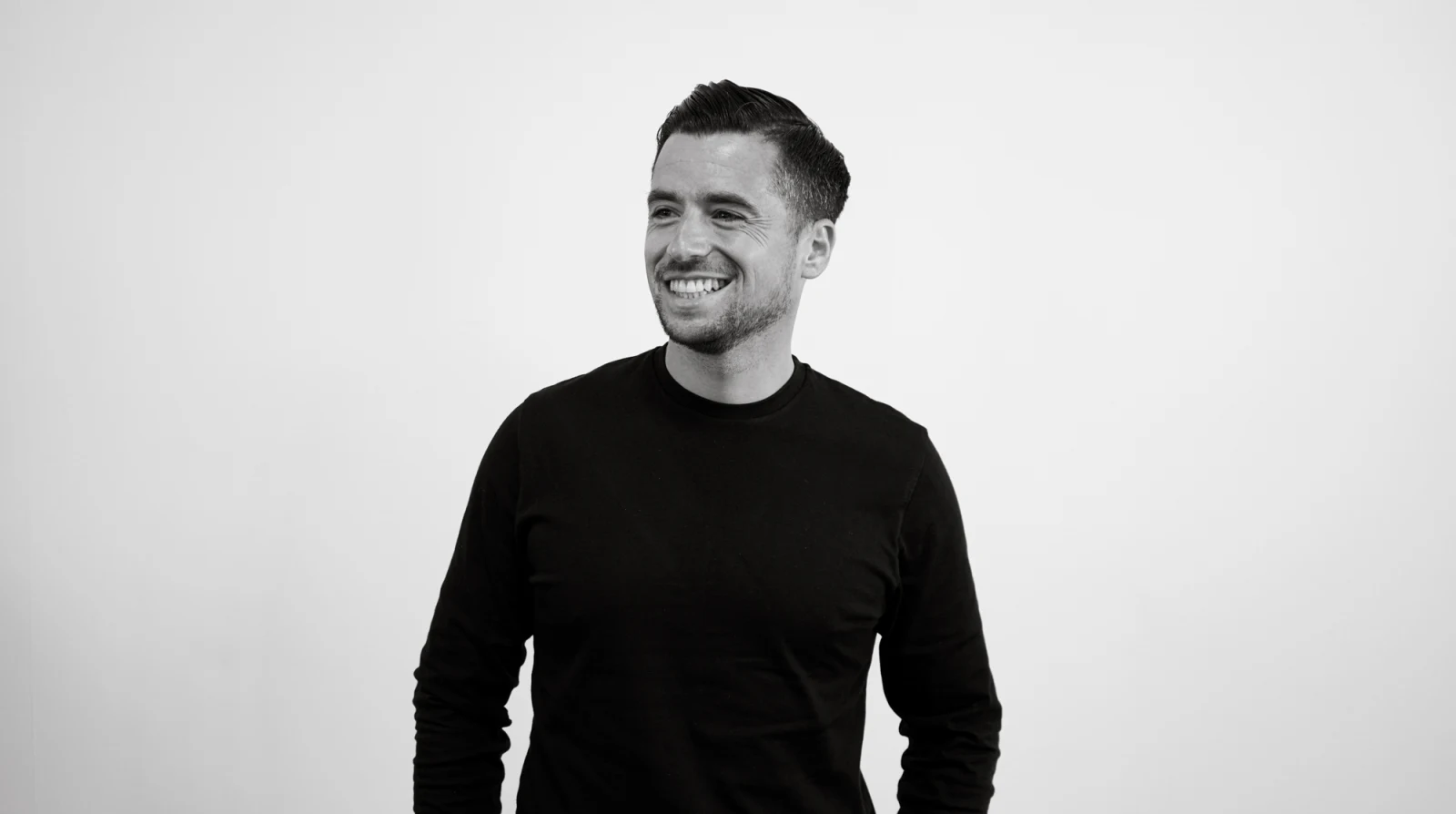
If you've ever been handed a phone system rather than chosen one, you already know most of why we built Olatti. Somebody signed for it, somebody installed it, and you've lived with it since. For years I was the somebody who sold it. This is the story of why I stopped, and what we built instead.
Why we built Olatti, in one paragraph: after fourteen years selling other people's phone systems to UK small businesses, I wanted to own what I sell. Olatti is We UC's own communications product: our source code, our data centres, our team fixing what breaks, made for people who'd choose their tools rather than tolerate the one they were assigned.
The box on the wall by the toilet
My first telecoms job was in 2012, at a local firm a friend had started. I began on the phones, then moved into operations and the back office. What we sold was on-premise PBX: a box of hardware in a rack or on a wall, with a set of handsets to go with it. Our customers were dentist surgeries, car garages and solicitors' firms. None of them had a comms room, so the system ended up under a desk or screwed to the wall by the toilet.
Nobody in those buildings had chosen the thing. The owner had signed a lease, an engineer had turned up, and from then on every change meant another engineer and another invoice.
The lease was the point. Leasing companies liked hardware, because more kit meant more finance and more commission. In 2013 and 2014, when most businesses were still on ISDN, I proposed we sell cloud systems instead. The owners said no. You couldn't lease it, and it didn't make as much money. I understood the logic. I just couldn't unsee where it was going.
Starting circle.cloud from a spare room
I started circle.cloud in 2015, a UK telecoms company that installs and supports phone systems for small businesses, and did every job in it. For the roughly 200 deals I closed myself between 2015 and 2018, I did the telemarketing, the sale, the install, the billing and the support. That's the bit no software teaches you: how a dentist decides to trust a phone provider, and how fast that trust gets spent when something breaks and you can't fix it.
circle.cloud grew into a proper sales and service company, with telemarketers, field sales and engineers on site. Our CEO joined in 2019 as a field salesperson and runs it day to day now.
Renting the most important part of the business
But we were still reselling, PBXware among other platforms. When a customer needed something the platform didn't do, we couldn't build it. We didn't own the source code. We could configure what someone else had decided to make, and nothing more.
That's the trap with building on borrowed ground. It works right up until the day your customer needs the one thing you can't give them. And any other reseller in the country can sell exactly what you sell. The dentist in 2012 had a box they didn't choose. Ten years on, we were still handing over a product somebody else had designed, just with better service wrapped round it.
Why we built Olatti: to own what we sell
There are two ways to sell a phone system. You resell someone else's, or you build your own. Reselling is the sensible path, and for a long time it was ours. But the product was never designed for us to scale it, and I kept coming back to the same two thoughts: I think I can do this better, and I want to own what I sell.
The reference point in my head was OpenPhone in the US. Have you heard of them? They do a lot well. But they're built on Twilio, so there's no desk phone support, and they aren't available in the UK. That rules out most of the businesses I'd spent a decade selling to, because the dentist still needs a handset at reception even when the owner runs everything from a laptop. I wanted to build that for the UK, with proper desk phone support.
In 2021 we started We UC to build it. The first plan was modest: keep the open-source phone system we already ran, and write one app on top of it. Then the engineer we'd hired as a senior systems administrator, who now runs our technology, came back with a diagram instead. It mapped a whole platform: our own API, our own back end, our own front end, with the phone system as one component underneath. He talked me through it branch by branch. One app on someone else's system would have left us where reselling had, one layer up. Building the whole thing would take longer and be harder, and it would be ours. That diagram is still the shape of Olatti.

Today We UC is a 20-person dev team, and I spend most of my week there. We write our own source code. Voice, transcription and call summaries run on our own infrastructure, in our own data centres, not handed off to a third-party AI provider in another country. When something breaks, the customer calls us, and we fix it. We're not waiting on a provider three companies away.
It's my own money, with no outside investment. I mention that because it changes what gets built. Nobody's pushing us for a longer feature list. We just have to make something people would choose.
Who is Olatti for?
Owning the whole stack let us ask a better question than "what feature is missing?". We started asking what actually slows a conversation down. It wasn't call quality. It was the pause before it: which app, which number, where did we leave off. Communication software has spent twenty years adding ways to talk and almost no time removing the hesitation before talking.
Olatti is built for the people who run small and mid-sized businesses and notice when a tool was made carefully. Founders, operators, the person who keeps the place running. It isn't built for everyone. We don't chase enterprise procurement, and we don't compete on being the cheapest line that rings.
What they get is a keyboard-enabled business phone: double-tap to summon it, type a name, press enter, and you're talking, from inside whatever you were already working in. I've made the fuller case for the keyboard separately. Communication at the speed of thought. Or put plainly: just have the conversation.
Fourteen years and a diagram. The box on the wall by the toilet was the tool nobody chose. Olatti is the one you would. If that sounds like the phone you'd pick for yourself, join the waitlist and I'll let you know when we open it up.